
Why Winter is the Best Time for a Hearing Health Checkup
Winter has a way of putting you in closer quarters with people for longer


By: admin | March 20, 2026
Winter has a way of putting you in closer quarters with people for longer stretches than any other time of year. More time indoors, more conversations happening in smaller spaces, more situations where hearing well actually matters in an immediate, personal way.
For a lot of people, that also means more moments where something felt harder than it should have, and those moments have a way of stacking up over a season without ever quite prompting action.
As winter winds down, it’s a natural time to take stock of how the last few months actually felt. As winter winds down, it’s a natural time to take stock of how the last few months actually felt.
If conversations at home felt harder than they should have, or time with people left you more worn out than it used to, that’s useful information. Getting your hearing checked now means you’re not carrying those questions into the rest of the year unanswered.
Colder temperatures can affect your ears in several ways. When it is cold outside, your body reduces blood flow to the ears to help keep you warm. This can make your ears feel cold and more sensitive than usual.
Wind and chilly air can dry out the skin inside and around your ears, sometimes leading to itchiness or irritation. This may make it less comfortable to wear hearing aids during winter.
Ear infections also tend to happen more often in colder months, especially in children. Spending more time indoors and being exposed to colds or the flu can increase the risk of infections that may affect your hearing.
You may find that changes in your hearing are easier to notice during winter. Colder months can make it more difficult to hear, especially in group settings or noisy environments.
Congestion from colds or the flu can cause your ears to feel blocked, making sounds seem muffled. Even a mild ear infection can temporarily change how well you hear.
Dry indoor air and the use of hats or earmuffs can also affect hearing aids. These seasonal factors make it important to pay attention to small changes in your hearing during winter to stay comfortable and connected.
Spending more time indoors during winter often means being in smaller spaces with family or friends. In these settings, it can become easier to notice if you are having trouble following conversations, especially when there is background noise.
Common reasons hearing issues stand out indoors include:
Winter brings a higher rate of colds, sinus infections and ear infections than any other season, and those illnesses have a direct effect on how your ears function.
Congestion from a cold or flu puts pressure on the Eustachian tube, which is responsible for regulating pressure in the middle ear. When that tube gets blocked, fluid can build up behind the eardrum, and that buildup affects how sound travels through the ear.
Most people notice it as a feeling of fullness, muffled hearing or a temporary drop in how well they can hear. For the majority of people, this resolves once the illness clears.
The concern with recurring or untreated infections is that they can leave lasting effects if they aren’t properly managed.
Repeated fluid buildup in the middle ear, or infections that don’t fully resolve, can affect the structures involved in hearing in ways that go beyond a temporary dip.
If you’ve been getting through a lot of winter illnesses this season and your hearing hasn’t felt quite right since, that’s a specific thing to bring up with a medical professional. It’s not always just the tail end of a cold.
Heated indoor air pulls moisture out of everything it touches, and your ears are no exception.
The skin inside the ear canal can dry out and become irritated when you’re spending a lot of time in heated spaces, which is unavoidable for most people during winter. That dryness can show up as itching, flaking or a general discomfort that’s easy to dismiss but worth addressing.
For hearing aid wearers, dry conditions add another layer to the issue. Low humidity can affect how ear tips and domes sit in the canal, and in some cases, dry indoor air contributes to static that interferes with device performance in ways that are hard to trace back to the source.
Managing indoor humidity during winter is one of those small things that has a more noticeable effect than people expect.
Running a humidifier in the rooms where you spend the most time helps maintain enough moisture in the air to keep the skin in and around your ears comfortable. Staying hydrated supports that from the inside as well, since dehydration tends to make dryness worse across the board.
If you’re a hearing aid wearer and your devices have been feeling less comfortable or performing inconsistently during the colder months, indoor air quality is worth factoring into the conversation when you talk to your hearing provider.
Winter clothing like scarves, hats and coats can sometimes press against hearing devices or cause them to shift out of place. Choosing looser scarves and hats, and putting on your hearing aids after dressing, can help prevent this.
Thick collars or hoods may also bump your hearing devices as you move. If you notice feedback or changes in sound quality, check that your device is positioned correctly and clear away any fabric that might be covering it.
Protecting your ears from cold temperatures is an important part of winter hearing care. Wearing a warm hat or earmuffs helps shield your ears from wind and freezing air, which can prevent discomfort and lower the risk of ear infections. Make sure hats fit comfortably without pressing too tightly on your ears or hearing devices.
Keep your ears dry by gently drying them after being outside, especially if you have been in snow or rain. Staying dry and warm supports both comfort and ear health during colder months.
Most people put off seeing an audiologist longer than they should, not because they don’t notice something is off, but because none of the individual signs feel urgent enough to act on.
The thing is, they don’t have to be urgent to be meaningful. Here are some signs that it’s time to make an appointment:
You do not need to be sure something is wrong before scheduling an appointment. An audiologist can help you understand whether what you are noticing needs attention or simply regular monitoring.
Walking into a hearing checkup for the first time, or even after a long gap between appointments, is pretty low-key compared to what most people build it up to be in their heads.
It starts with a conversation about what you’ve been noticing, how long it’s been going on and what situations have been giving you the most trouble.
That context matters because it helps the audiologist understand what to look for and gives the appointment a direction that’s specific to you rather than generic.
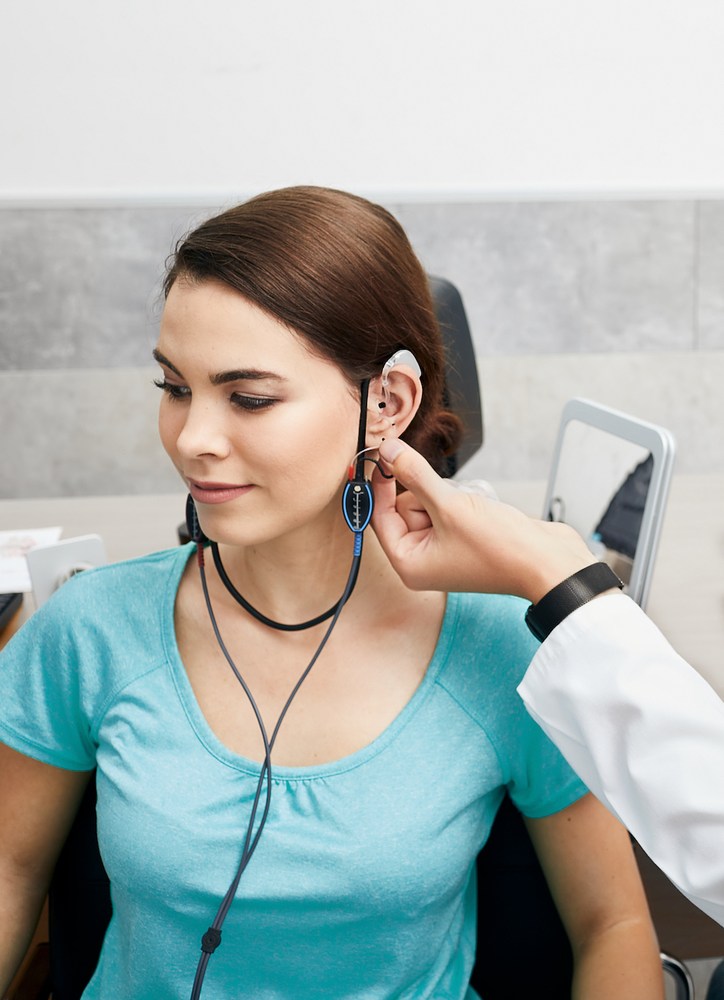
The assessment itself typically involves a physical look at the ear canal and eardrum to check for anything visible that might be affecting your hearing, followed by a series of listening tests conducted in a sound-treated booth.
You’ll listen to tones at different frequencies and volumes and respond when you hear them, and there’s usually a speech component as well that tests how well you understand words and sentences at different levels.
You just respond to what you hear honestly, and when it’s done, your audiologist walks you through what the results show and what, if anything, makes sense to do from there.
Hearing aids are the most common and accessible treatment option for hearing loss, and for most people they make a significant difference in how they function day to day.
The devices available today are a long way from what hearing aids used to be. They’re smaller, more discreet and far more capable of handling the range of listening situations that make up a real person’s day.
Getting to the right hearing aid involves more than picking a style. Your audiologist uses your hearing test results alongside an understanding of your lifestyle and daily listening demands to determine which device and which features are actually going to serve you well.
The fitting appointment is where the programming gets dialed in, and follow-up appointments matter too because how a hearing aid performs in a clinic and how it performs in real life aren’t always identical right out of the gate.
Most people need a period of adjustment and some fine-tuning before everything feels right, and a good audiologist stays involved through that process rather than considering the job done at the initial fitting.
The last few months have a way of showing you where your hearing actually stands, whether you were looking for that information or not.
If something has felt consistently harder than it used to, the beginning of a new season is as good a time as any to stop wondering and find out what’s actually going on.
At Quality Hearing Aid Center, we have locations across the metro area in Southfield, Novi, Livonia, Madison Heights, Rochester Hills and St. Clair Shores, MI, making it easy to find a location that works for you.
When you’re ready to come in, give us a call at (248) 213-6234. Our team is here to help you figure out where things stand and what makes sense from
Winter has a way of putting you in closer quarters with people for longer
By: admin | March 20, 2026

When thinking about ways to support your hearing health, exercise might
By: admin | October 20, 2025
Taking your child for their first hearing test can feel overwhelming for
By: admin | July 29, 2025